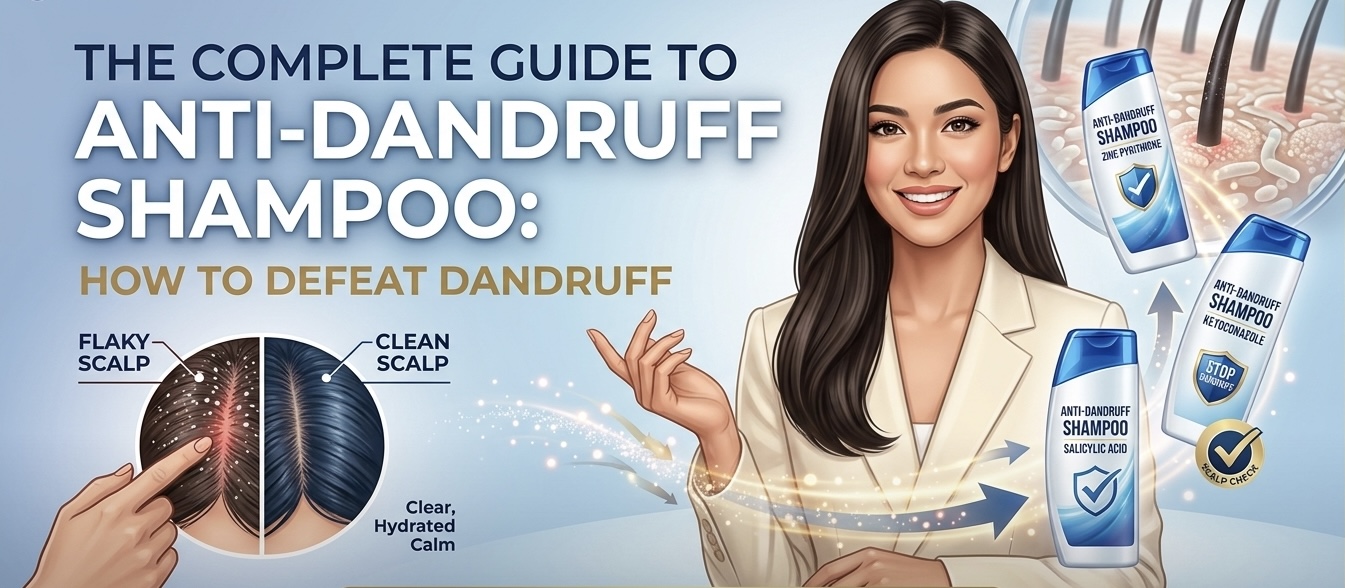
The Complete Guide to
Anti-Dandruff Shampoo
Understand the science behind dandruff, choose the right ingredients, and build a long-term scalp care routine that actually works.
Introduction
Dandruff is one of the most common scalp conditions affecting people of all ages. Those annoying white flakes, constant itching, oily buildup, and scalp irritation can damage confidence and make hair difficult to manage. Many people try random shampoos without understanding the real cause of dandruff, which often leads to temporary results instead of long-term scalp health.
The truth is that dandruff is not just a cosmetic issue. It is closely connected to scalp balance, oil production, fungal activity, skin sensitivity, and hair care habits. Choosing the wrong shampoo or using it incorrectly can make dandruff even worse.
Key InsightIf you want cleaner hair, a healthier scalp, and long-term dandruff control, understanding the science behind anti-dandruff treatment is far more effective than switching shampoos randomly.
What Is Dandruff?
Dandruff is a scalp condition where dead skin cells shed excessively from the scalp. Small white or yellow flakes become visible in the hair, on the scalp, and sometimes on clothing.
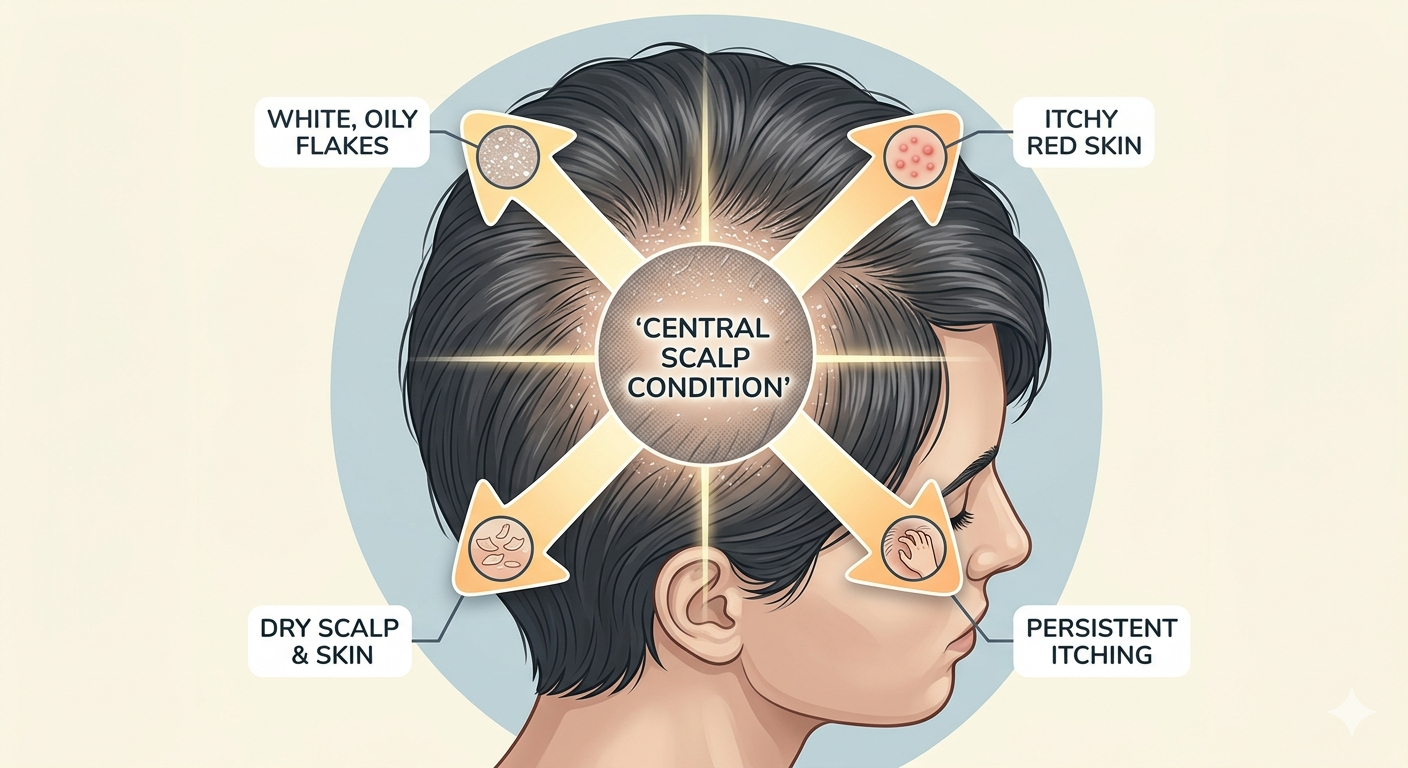
Common MisconceptionMany people think dandruff means poor hygiene — but that is not true. Even people with clean hair and good grooming habits can develop dandruff.
Dry Scalp vs Dandruff
One of the biggest mistakes people make is confusing dry scalp with dandruff. Although both conditions involve flaking, the causes are different.
| Feature | 🌵 Dry Scalp | ❄️ Dandruff |
|---|---|---|
| Flake size | Small, dry flakes | Larger, oily flakes |
| Main cause | Lack of moisture | Often fungal overgrowth |
| Scalp feel | Tight, rough | Itchy, irritated |
| Seasonality | Usually seasonal | May persist year-round |
| Treatment | Improved with hydration | Needs anti-dandruff treatment |
What Causes Dandruff?
Dandruff develops because of several scalp-related factors. Some people experience only one cause, while others deal with multiple triggers simultaneously.
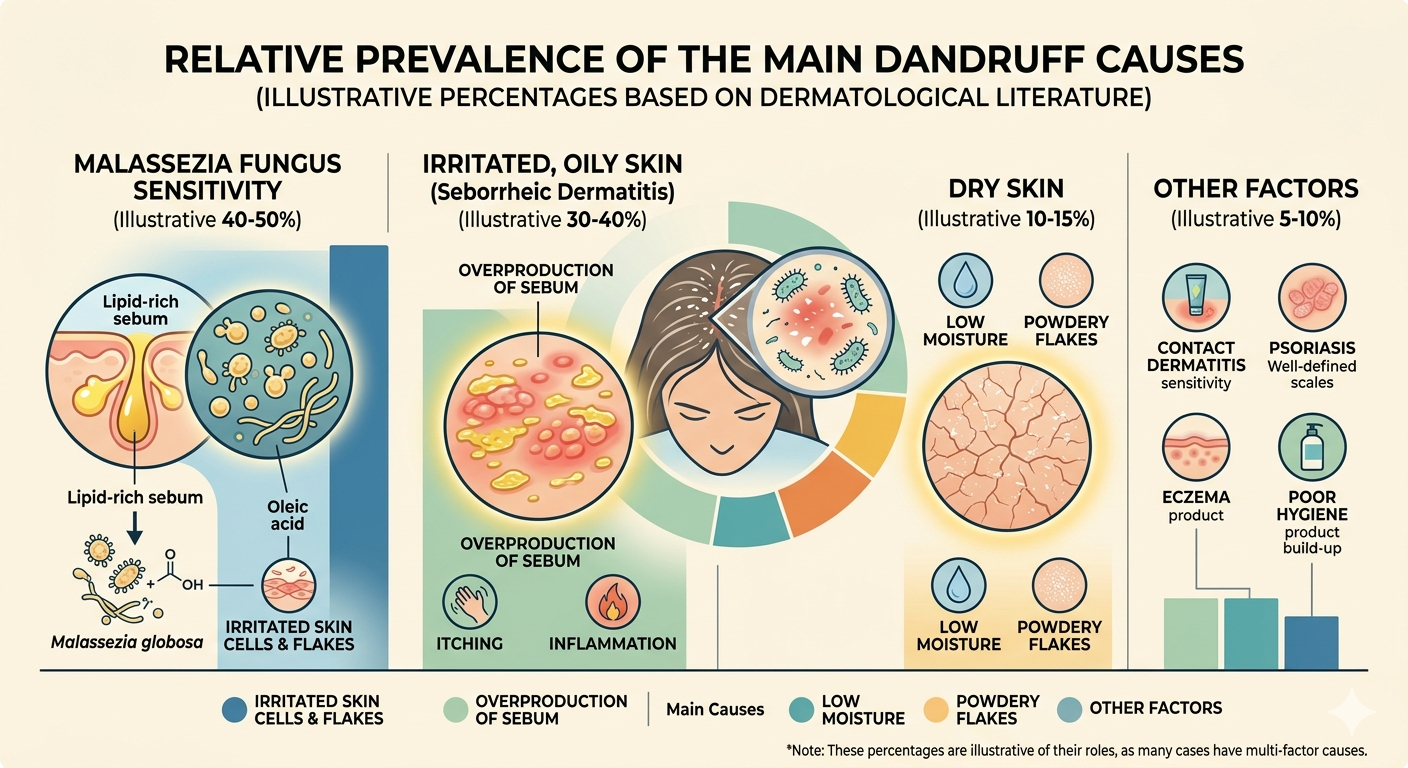
1. Malassezia Fungus
A yeast-like fungus called Malassezia naturally exists on the scalp. In some people, it grows excessively and irritates the scalp skin, causing faster cell shedding, inflammation, itching, and flaking. This is one of the main reasons many anti-dandruff shampoos contain antifungal ingredients.
2. Excess Oil Production
An oily scalp creates the perfect environment for dandruff-causing microorganisms. Signs include yellow flakes, sticky scalp, greasy hair, strong scalp odor, and fast oil buildup after washing. People with oily skin often experience more persistent dandruff.
3. Dry Skin
Cold weather, dehydration, harsh shampoos, and excessive washing can dry the scalp. Dry scalp flakes are typically smaller and powdery. Using harsh cleansing products may worsen the problem.
4. Product Buildup
Hair wax, gel, pomade, hair spray, dry shampoo, and heavy oils can accumulate on the scalp over time, clogging scalp pores and increasing irritation.
5. Sensitive Skin
Some people react negatively to sulfates, artificial fragrance, alcohol-based formulas, and strong preservatives in shampoos. Sensitive scalp users usually benefit from gentle sulfate-free products.
6. Underlying Skin Conditions
Seborrheic dermatitis, psoriasis, eczema, and fungal infections can resemble or worsen dandruff. If flakes become severe or painful, medical evaluation may be necessary.
How Anti-Dandruff Shampoo Works
Anti-dandruff shampoo targets the root causes of scalp flakes and irritation rather than simply washing the hair. Most formulas work by reducing fungal growth, controlling oil production, slowing excessive skin shedding, removing scalp buildup, calming inflammation, and restoring scalp balance.
Best Anti-Dandruff Shampoo Ingredients
Understanding active ingredients is one of the most important parts of choosing the right dandruff shampoo. Each ingredient targets dandruff through a different mechanism.
Zinc Pyrithione
Controls fungal activity, reduces itching, and helps prevent flakes. Gentle enough for regular use.
Ketoconazole
Strong antifungal that targets stubborn dandruff, reduces scalp fungus, and helps severe scalp irritation.
Selenium Sulfide
Reduces scalp cell turnover and controls fungal growth. Helps with stubborn flakes and oil production.
Salicylic Acid
Exfoliates the scalp, removes dead skin buildup, and clears thick flakes caused by scaling conditions.
Coal Tar
Slows excessive skin cell production. Used for chronic scalp conditions including severe dandruff and psoriasis.
Tea Tree Oil
Refreshes the scalp, reduces irritation, and helps mild dandruff. Popular in natural hair care routines.
How to Choose the Right Shampoo
The best shampoo depends on your scalp condition, hair type, and dandruff severity. Use the table below as a quick-reference guide.
| Scalp Type | ✅ Look For | ❌ Avoid |
|---|---|---|
| Oily Scalp | Ketoconazole, Selenium sulfide, Deep cleansing formulas | Heavy oils, Thick moisturizing shampoos |
| Dry Scalp | Aloe vera, Coconut oil, Sulfate-free ingredients | Excessive washing, Harsh detergents |
| Sensitive Scalp | Fragrance-free, Zinc pyrithione, Sulfate-free | Artificial fragrance, Strong alcohol formulas |
| Curly / Coily Hair | Hydrating anti-dandruff, Lightweight moisture, Silicone-free | Drying formulas, skipping conditioner |
How to Use Anti-Dandruff Shampoo Correctly
Many people reduce shampoo effectiveness by using it incorrectly. Follow this scalp care method for best results.
-
Wet Hair Thoroughly
Use warm water to loosen dirt, oil, and product buildup before applying shampoo.
-
Focus on the Scalp
Massage shampoo directly into the scalp using your fingertips — not your nails. Do not scratch aggressively.
-
Leave Shampoo on for 2–5 Minutes
Most medicated shampoos need time to work. This allows active ingredients to penetrate the scalp effectively.
-
Rinse Completely
Incomplete rinsing leaves residue that may irritate the scalp and worsen symptoms.
-
Apply Conditioner Carefully
Apply conditioner mainly to hair lengths — not the scalp — to avoid adding moisture where it may cause imbalance.
How Often Should You Wash?
Washing frequency should match the severity of your dandruff. After symptoms improve, many people transition to a maintenance schedule.
Common Dandruff Shampoo Mistakes
Switching Shampoos Too QuicklyMost anti-dandruff shampoos require 2–4 weeks before noticeable improvement occurs. Patience is critical.
Not Leaving Shampoo Long EnoughRinsing immediately reduces effectiveness. Active ingredients need contact time to work on the scalp.
Overwashing the HairToo much washing may dry and irritate the scalp, worsening the condition it is meant to treat.
Ignoring Scalp HygieneDirty combs, hats, and pillowcases can reintroduce oil and bacteria to the scalp after washing.
Natural Remedies for Dandruff
Natural treatments may help mild dandruff cases as a complement to — or gentle alternative for — medicated shampoos.
Aloe Vera
Soothes scalp irritation, provides moisture, and reduces redness.
Coconut Oil
Helps dry scalp and improves moisture retention. Use carefully on oily scalp.
Apple Cider Vinegar
Diluted rinse may help balance scalp pH. Always dilute before applying.
Tea Tree Oil
May help mild fungal-related dandruff. Never apply concentrated oil without dilution.
Can Dandruff Cause Hair Loss?
Dandruff itself does not usually cause permanent hair loss. However, severe itching, chronic inflammation, and aggressive scratching can weaken hair roots and increase shedding. Maintaining healthy scalp care supports stronger, more resilient hair growth.
Good NewsWhen dandruff is treated properly, hair shedding associated with scalp inflammation typically decreases alongside other symptoms.
Diet & Lifestyle Tips for a Healthy Scalp
Scalp health is closely connected to overall health. Nutritional support and stress management can meaningfully improve dandruff outcomes.
| Nutrient | Why It Helps | Food Sources |
|---|---|---|
| Zinc | Supports scalp immunity and oil regulation | Nuts, seeds, legumes |
| Protein | Builds hair and skin structure | Eggs, fish, chicken |
| Omega-3 Fatty Acids | Reduces scalp inflammation | Salmon, flaxseed, walnuts |
| Vitamin B Complex | Supports skin cell regeneration | Whole grains, vegetables |
Stress & Scalp ConnectionStress may trigger or worsen scalp conditions. Regular sleep, exercise, hydration, and relaxation practices all support scalp health alongside topical treatments.
Weekly Scalp Care Routine
A consistent routine dramatically improves long-term dandruff control. Here is a simple weekly framework:
-
Use Anti-Dandruff Shampoo
Wash according to dandruff severity as outlined above.
-
Use Gentle Conditioner
Protect hair moisture on lengths without adding product to the scalp.
-
Exfoliate the Scalp Occasionally
A gentle scalp scrub or exfoliating shampoo once a week helps remove buildup.
-
Clean Hair Tools
Wash combs and brushes regularly to prevent recontamination.
-
Change Pillowcases Frequently
Fresh pillowcases reduce oil and bacteria buildup that can aggravate the scalp overnight.
When to See a Dermatologist
⚕️ Seek Professional Help If:
- Dandruff becomes severe or painful
- The scalp bleeds or has open sores
- Hair loss increases significantly
- Strong itching persists despite treatment
- Over-the-counter shampoos fail after 4–6 weeks
A dermatologist can diagnose underlying scalp conditions and prescribe stronger treatment options such as prescription-strength ketoconazole or corticosteroid foams.
Frequently Asked Questions
Is dandruff contagious?
Can dandruff be cured permanently?
Why does dandruff worsen during winter?
Does oily hair cause dandruff?
How long does anti-dandruff shampoo take to work?
Can I use anti-dandruff shampoo every day?